

If you use Slack for your internal communications then you can set-up the TruckDown system to send messages directly into a Slack channel of your choice. Here are the step-by-step instructions for configuring the TruckDown integration.
Set-up where you want TruckDown messages to go in Slack
It is recommended that you set-up a dedicated channel for TruckDown messages to go to. This allows you to control who has access to those messages in a central location. In Slack, go to Channels -> Create -> Create Channel. Give your channel a name and provide the options as to whether it will be a public or private channel.

Once created, you can add whoever is needed as members of the new channel.
Set-up the Slack webhook
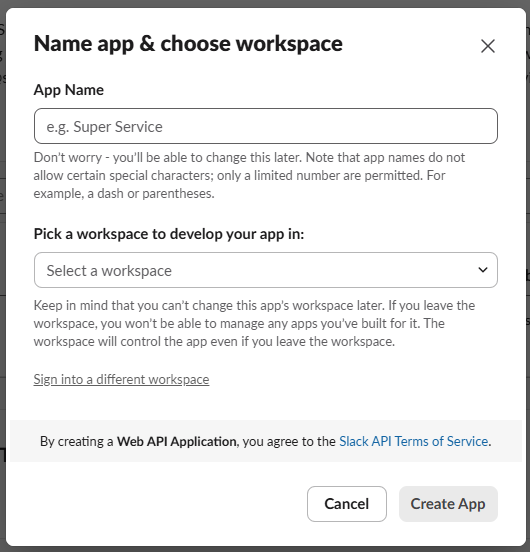
Go to https://api.slack.com/apps and, once logged in, click on the "Create New App" button. Select the "From Scratch" option. Enter a name for the app (i.e. TruckDown Integration) and select your workspace from the dropdown. Click the "Create App" button.
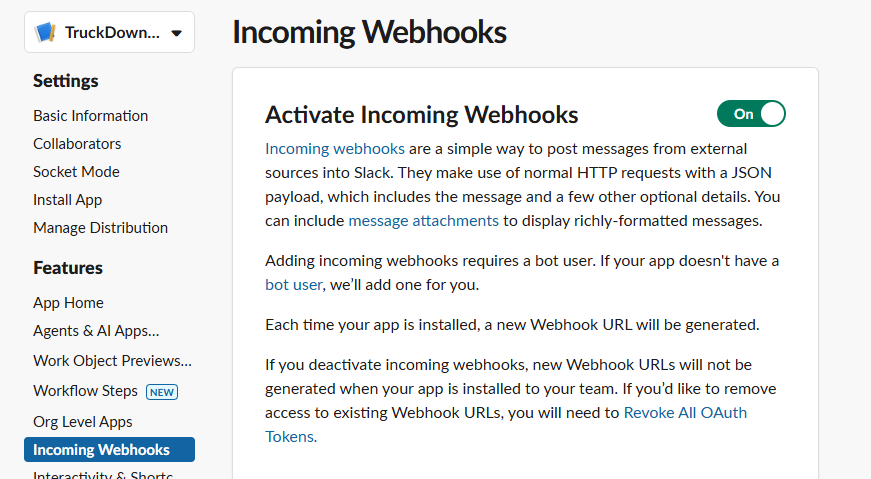
In the menu on the left, under features, click on the "Incoming Webhooks" option. Flip the toggle to "On" and click on the "Add New Webhook" button.
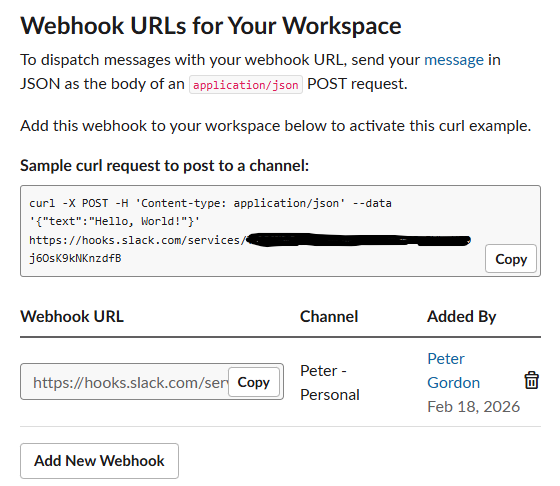
Select the channel you created and click the "Allow" button. Under the "Webhook URLs for Your Workspace" heading, you should see the newly created webhook. Click the "Copy" button beside the url and paste the address somewhere safe - you will need this later. The address should be similar to https://hooks.slack.com/services/....
Configure TruckDown to send Service Request notifications to Slack
To configure TruckDown to send notifications to Slack you have to add the url you copied to the list of webhooks in the notification settings with the proper Slack format.
For fleets or owner/operators, go to Admin -> Fleet/Driver Services -> Service Requests -> Notifications.
For service providers, go to Admin -> Advertising Services -> Service Requests -> Notifications.
In the Webhooks table, click on the + button. In the form, paste the url that you retrieved from Slack and change the format to "Slack". For fleets or owner/operators, you can optionally have the system use this channel on all request for all users or just your own service requests.
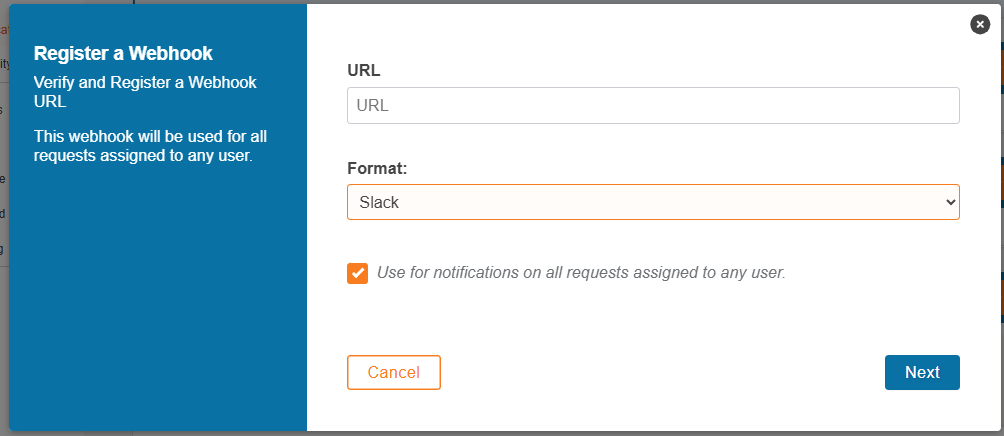
Click the "Next" button. The system will now send a verification code to the selected Slack channel. You will need to enter this 6-digit code to verify that the integration was successful. Once completed, new notifications will be sent directly to your Slack channel.